The oil exportation industry is at a crossroads, where changing market dynamics, technological advancements, and environmental concerns are shaping its future. As one of the key players in the oil storage and exportation business, Warber Shipping BV is uniquely positioned to offer insights into the trends shaping the industry’s next chapter. Here, we explore some of the emerging trends and how Warber Shipping is preparing to navigate the future of oil exportation.
1. The Shift Toward Renewable Energy: Balancing Oil and Clean Energy Exports
The global shift toward renewable energy sources has triggered significant changes in how countries and companies view fossil fuels, particularly oil. As the world transitions to a greener energy mix, oil companies are under pressure to reduce their carbon footprint while still meeting global demand for oil.
Warber Shipping is responding to this trend by integrating sustainable practices into its operations. While oil remains a crucial part of the global energy supply, the company is exploring ways to reduce its environmental impact, such as using renewable energy to power its storage facilities and adopting more energy-efficient infrastructure. Warber Shipping is also exploring partnerships with renewable energy projects to balance traditional oil exportation with future energy needs.
2. Digitalization and Automation in Oil Exportation
The oil industry, like many others, is undergoing a digital transformation. Automation and digitalization are playing a vital role in streamlining oil exportation processes, from storage to shipping. By using data analytics, artificial intelligence (AI), and the Internet of Things (IoT), oil companies can optimize their operations, reduce costs, and improve efficiency.
Warber Shipping is at the forefront of this transformation. By adopting advanced automation technologies, the company is able to monitor its storage facilities in real-time, optimize logistical processes, and ensure that oil is shipped out efficiently and safely. Digital systems also allow for better forecasting of market demand, ensuring that Warber Shipping is always prepared to meet global requirements while minimizing downtime.
3. Strategic Geopolitical Shifts and Trade Routes
Geopolitical factors have always played a significant role in oil exportation. From political instability in oil-rich regions to the rise of new trade alliances, the routes and methods of oil exportation are constantly evolving. Recent geopolitical events, such as changes in the U.S. shale oil industry, Russia’s influence on European energy supplies, and the increasing role of China as a major importer of oil, are reshaping global oil markets.
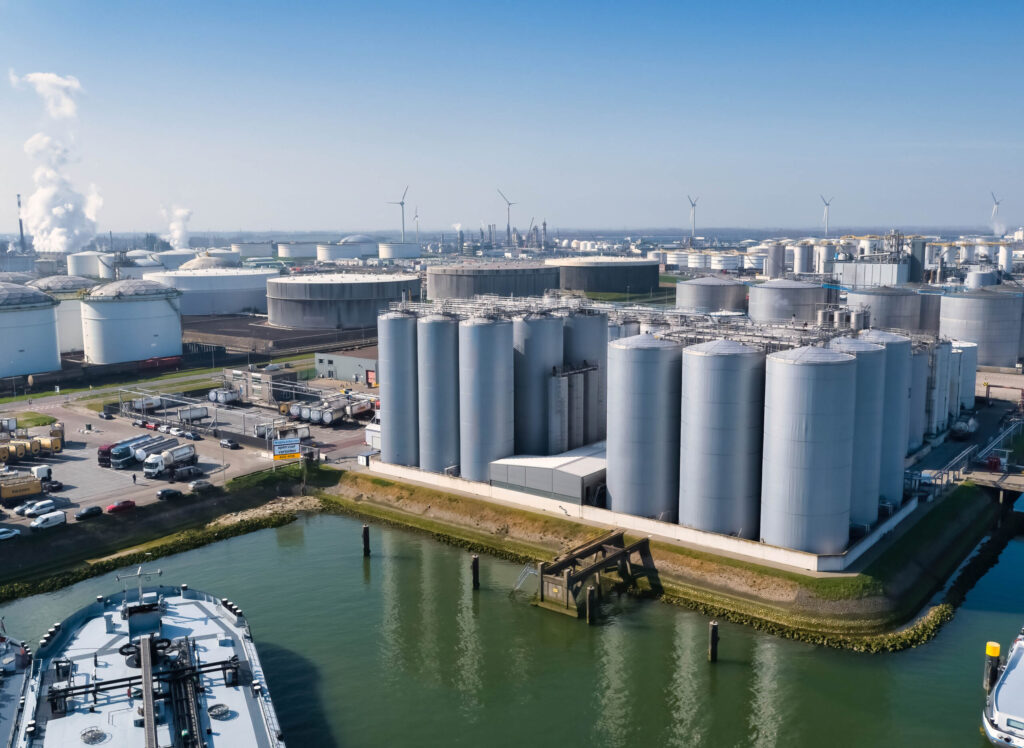
Warber Shipping is carefully navigating these changes by strategically positioning its storage facilities near key trade routes and export terminals. By maintaining close relationships with global partners, Warber Shipping ensures that it can quickly adapt to geopolitical shifts and take advantage of emerging opportunities, ensuring the steady flow of oil to key markets.
4. Decarbonization and Sustainability Initiatives
With climate change becoming an increasingly urgent global issue, decarbonization efforts are gaining momentum across all industries, including oil exportation. Governments, regulatory bodies, and international organizations are imposing stricter regulations on emissions, requiring companies to adopt cleaner, more sustainable practices.
Warber Shipping has embraced sustainability as a core component of its operations. The company is investing in technologies that minimize the carbon footprint of its storage and shipping processes. This includes the use of more fuel-efficient vessels, the incorporation of carbon capture and storage (CCS) systems, and the integration of renewable energy sources to power its facilities. As decarbonization efforts ramp up globally, Warber Shipping’s proactive approach to sustainability will ensure that it remains compliant with future regulations and a trusted partner for environmentally-conscious clients.
5. Growth of LNG (Liquefied Natural Gas) Exportation
While oil remains a dominant force in the global energy landscape, liquefied natural gas (LNG) is gaining traction as a cleaner alternative to traditional fossil fuels. Many countries are increasing their reliance on LNG for power generation, heating, and industrial use, positioning LNG exportation as a growing market for energy companies.
Warber Shipping is capitalizing on this trend by expanding its capabilities in LNG storage and exportation. By offering state-of-the-art LNG storage solutions alongside its oil storage services, Warber Shipping is positioning itself as a versatile player in the global energy market, ready to meet the growing demand for LNG while continuing to serve the oil industry.
6. Evolving Oil Storage Solutions: Efficiency and Safety
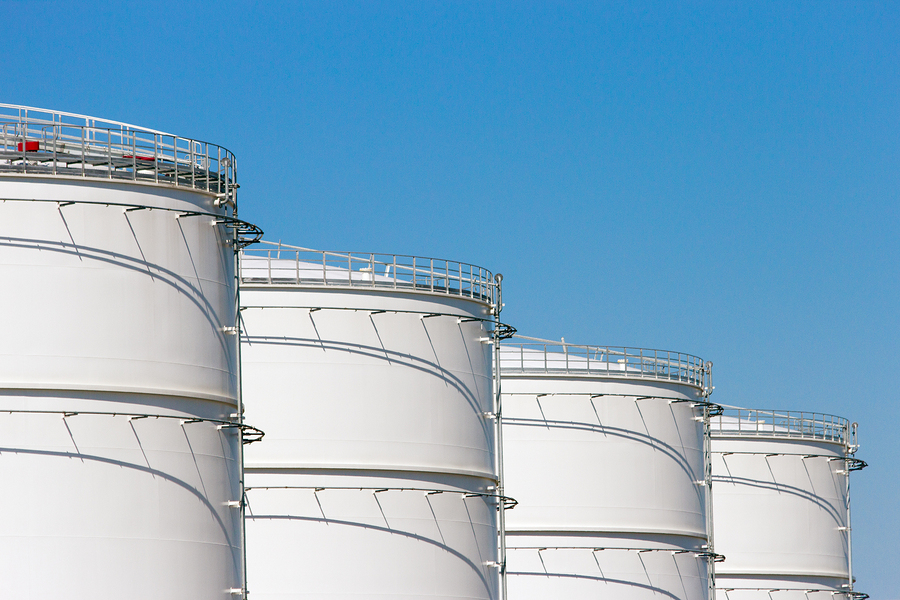
The efficiency and safety of oil storage play a critical role in the overall exportation process. Any inefficiencies or safety hazards in storage can lead to delays, increased costs, or environmental damage. To address these concerns, Warber Shipping is constantly evolving its storage solutions.
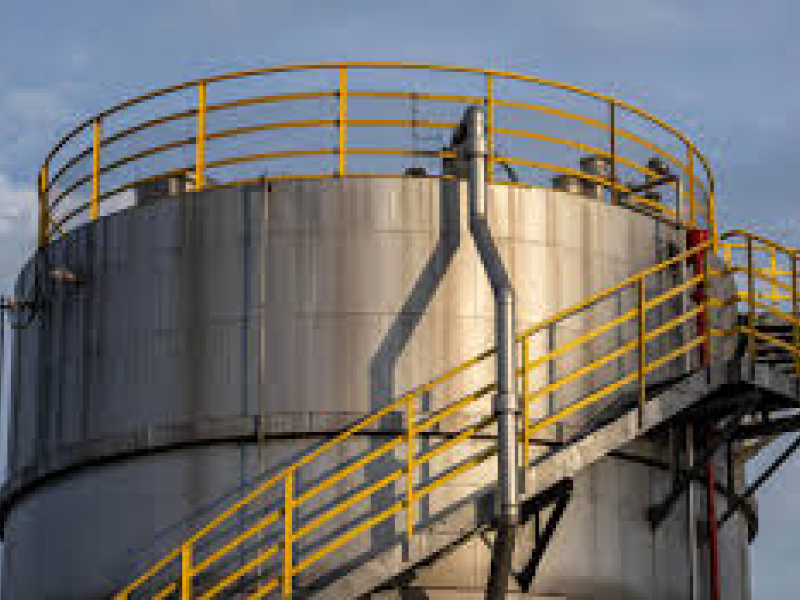
The company uses advanced technologies to ensure that its tanks are operating at peak efficiency, employing real-time monitoring systems to track pressure, temperature, and volume. Automated safety systems and predictive maintenance technologies further enhance the reliability of Warber Shipping’s storage operations, minimizing risks and ensuring that oil is always ready for export on schedule. This focus on efficiency and safety gives Warber Shipping a competitive edge, especially as the industry becomes more regulated and competitive.
7. Navigating Market Volatility and Supply Chain Disruptions
The oil market is notorious for its volatility, influenced by factors ranging from geopolitical tensions to natural disasters. Supply chain disruptions—such as those experienced during the COVID-19 pandemic—can have far-reaching effects on the oil exportation process. To mitigate these risks, companies need to be agile and adaptable.
Warber Shipping has developed robust risk management strategies to navigate market volatility and potential disruptions. By leveraging its global network of partners and clients, Warber Shipping can quickly adjust its exportation strategies based on changing market conditions. This agility ensures that the company remains resilient in the face of supply chain challenges, ensuring that its clients’ needs are met, even during times of uncertainty.
Conclusion
The future of oil exportation is marked by transformation and adaptation. Warber Shipping BV is fully equipped to navigate the challenges and opportunities presented by the changing energy landscape. Through digital innovation, strategic positioning, sustainability initiatives, and a focus on operational efficiency, Warber Shipping is preparing to lead the way in a future where oil exportation remains vital to the global economy, while also embracing emerging trends like LNG and decarbonization.
As the oil exportation industry continues to evolve, Warber Shipping’s forward-thinking approach ensures that it will remain a trusted partner, offering the flexibility, innovation, and reliability that clients need to succeed in a dynamic and unpredictable market.